
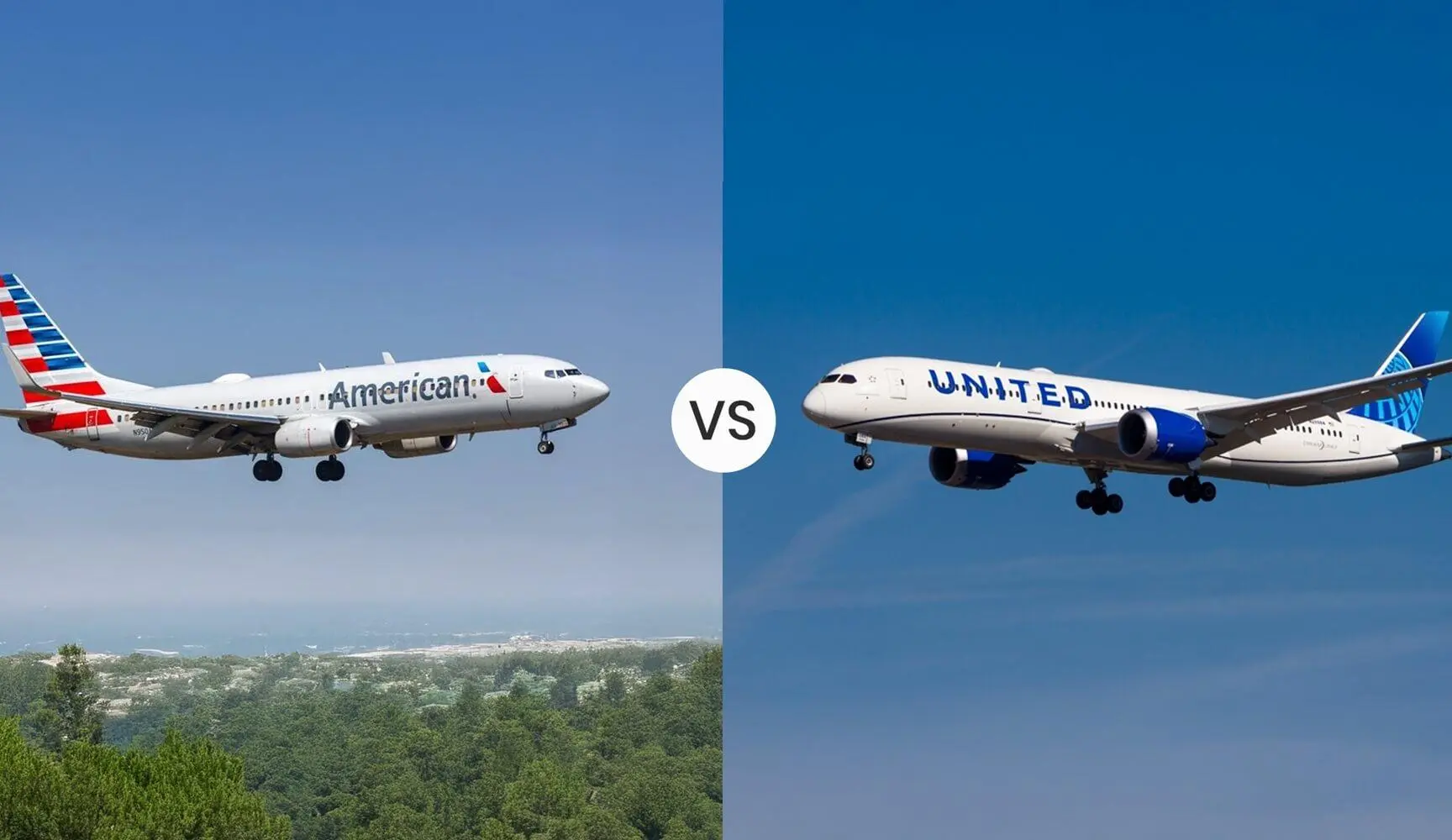
United Airlines is better for international travel, premium comfort, and modern aircraft, while American Airlines is usually better for cheaper domestic fares, wider US coverage, and flexible rewards.
If your priority is long-haul comfort and global connectivity, United Airlines stands out. If you want lower ticket prices and easier domestic travel across the United States, American Airlines is often the more practical choice.
What’s the Real Difference Between United and American Airlines?
The core difference between these two airlines comes down to strategy and investment focus. United has spent the past few years heavily upgrading its fleet and expanding international routes, especially across Europe and Asia. American Airlines has instead focused on maintaining the largest network within the United States, giving it stronger domestic reach and more flight frequency between cities.
United’s global strength is reinforced through its membership in Star Alliance, which includes major international carriers and offers broader connectivity worldwide. American Airlines operates within Oneworld Alliance, which is strong but slightly more limited in certain regions. For travelers planning complex international itineraries or multi-country trips, United typically offers more seamless routing options. For travelers flying frequently within the US, American often provides more convenient scheduling.
Which Airline Is Cheaper: United or American?
American Airlines generally appears cheaper at first glance, especially on domestic routes. However, the real cost difference becomes clearer once additional fees are included.
Both airlines use a tiered pricing model where basic economy fares exclude many features. These tickets may look attractive but often require extra payments for seat selection, baggage, and flexibility. According to data from the U.S. Department of Transportation, ancillary fees now account for roughly 15% to 20% of total airline revenue, showing how much travelers actually pay beyond the base fare.
In practice, American often has slightly lower base fares, particularly for short-haul US routes. United, however, tends to bundle more value into standard economy tickets, reducing unexpected costs. This makes United a better option for travelers who prefer predictable pricing rather than chasing the lowest initial fare.
United vs American Economy Class: Which Is Better?
Economy class is where most travelers experience the biggest differences. United has made noticeable improvements in recent years by upgrading its aircraft interiors and standardizing cabin layouts. Many of its newer planes include seat-back entertainment screens and improved lighting, creating a more modern feel.
American Airlines still operates a mix of older and newer aircraft, which leads to inconsistent experiences. On some planes, legroom can feel tighter, especially on high-density routes. United typically offers around 30 to 31 inches of seat pitch, while American sometimes falls slightly below that on older aircraft.
Entertainment is another key difference. United provides more built-in screens on long-haul flights, while American relies more on personal device streaming. While both systems work, built-in screens tend to offer a smoother experience, especially for longer journeys.
Wi-Fi quality is improving across both airlines, but United has been more aggressive in rolling out faster satellite-based connectivity, which is becoming increasingly important for business travelers.
Business and First Class Comparison in 2026
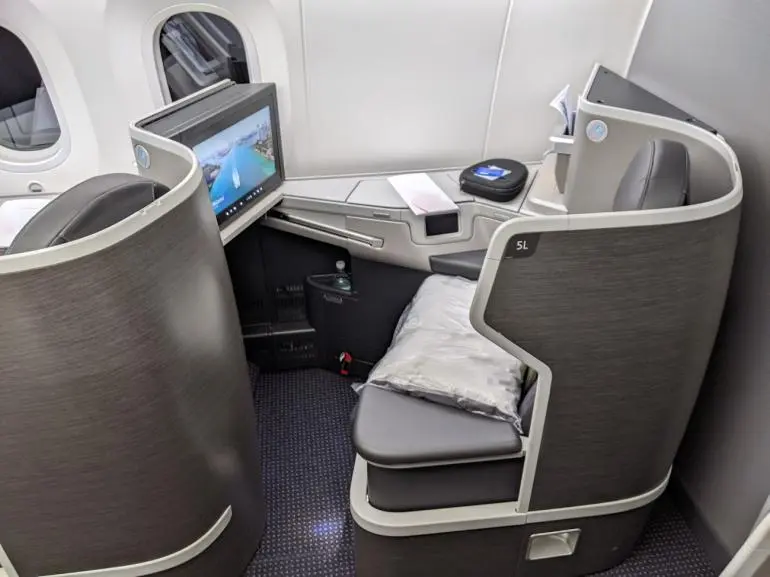
United clearly leads in premium cabins, particularly on international routes. Its Polaris business class has become one of the strongest offerings among US carriers. The seats convert into fully flat beds, provide direct aisle access, and include upgraded bedding designed for long-haul comfort.
American Airlines offers its Flagship Business product, which is competitive but less consistent. Some aircraft still feature older seat designs, which reduces the overall experience compared to United’s more uniform upgrades.
Lounge access further highlights the difference. United’s Polaris lounges are widely recognized for better food quality and quieter environments. American’s Admirals Club lounges are more widespread but often feel more crowded and less premium. For travelers flying long distances, especially overnight international routes, United delivers a noticeably better experience.
Which Airline Has Better Customer Service?
Customer service performance varies, but trends show United has improved significantly in recent years. Following operational challenges earlier in the decade, the airline invested in better digital tools, faster rebooking systems, and improved communication during disruptions.
American Airlines still faces criticism for inconsistent service, especially during delays or cancellations. Reports from the U.S. Department of Transportation show that complaint levels for both airlines fluctuate, but responsiveness during disruptions is a key differentiator.
In real-world situations such as missed connections or last-minute cancellations, United’s mobile app and automated systems often provide quicker solutions, reducing stress for travelers.
Delays, Cancellations, and Reliability
Reliability plays a major role in overall travel experience. Recent operational data suggests that United holds a slight edge in on-time performance, averaging between 78% and 82%, while American typically falls between 75% and 80%.
Although the difference may seem small, it becomes significant for frequent travelers or those with tight connections. Cancellation rates also tend to be slightly lower for United, particularly on international routes where operational planning is more complex.
External factors such as weather and airport congestion affect both airlines equally, but United’s recent operational improvements give it a small advantage in reliability.
United vs American Airlines Comparison Table (2026)
| Category | United Airlines | American Airlines |
|---|---|---|
| Best For | International travel, premium experience | Domestic travel, cheaper fares |
| Base Ticket Price | Slightly higher | Usually cheaper (5–15%) |
| Total Cost (After Fees) | More bundled, fewer surprises | Lower base but more add-ons |
| Economy Legroom | 30–31 inches (more consistent) | 29–30 inches (varies more) |
| In-Flight Entertainment | More seat-back screens | Mostly app-based streaming |
| Wi-Fi Quality | Faster rollout (satellite-based) | Decent but less consistent |
| Business Class | Polaris (top-tier, modern) | Flagship (good but inconsistent) |
| Lounge Quality | Polaris lounges (premium) | Admirals Club (more locations, less premium) |
| Customer Service | Improving, better digital tools | Less consistent during disruptions |
| On-Time Performance | ~78–82% | ~75–80% |
| Cancellation Rate | Slightly lower | Slightly higher |
| Baggage Fees | Standard ($30–$40) | Similar but more seat fees |
| Frequent Flyer Program | MileagePlus (easy earning) | AAdvantage (better redemption) |
| Alliance | Star Alliance | Oneworld Alliance |
| Domestic Network | Strong | Stronger (largest in US) |
| International Network | Stronger globally | Good but slightly limited |
| Fleet Modernity | Newer, more consistent | Mixed (new + older aircraft) |
| Best Value For | Long-haul flights | Short domestic trips |
| Overall Winner (2026) | Better experience & reliability | Better pricing & flexibility |
Baggage Policy and Hidden Fees
Both airlines follow similar baggage pricing structures, but the experience differs in execution. Carry-on bags are included with most standard tickets, but basic economy fares can restrict this benefit, especially with American Airlines.
Checked baggage typically costs between $30 and $40 for the first bag and increases for additional luggage. However, hidden fees are where travelers often face unexpected costs.
These can include charges for seat selection, priority boarding, same-day changes, and onboard food. American tends to apply these fees more aggressively, especially for seat assignments. United, while not fee-free, often provides slightly better transparency in its pricing tiers.
Understanding these hidden costs is essential for anyone comparing ticket prices, as the final amount can differ significantly from the initial fare.
Frequent Flyer Programs: MileagePlus vs AAdvantage
Frequent flyer programs are a major factor for repeat travelers. United’s MileagePlus program is built around spending rather than distance, making it easier for high-spending travelers to earn status quickly.
American’s AAdvantage program still offers strong redemption value, particularly when booking flights with Oneworld partners. This makes it appealing for travelers looking to maximize value from points. MileagePlus is simpler and more predictable, while AAdvantage offers better opportunities for strategic redemptions. Travelers who focus on maximizing rewards often prefer American, while those seeking simplicity tend to choose United.
Route Network: Domestic and International Coverage
American Airlines dominates domestic travel with a broader network across US cities. It operates more flights within the country, making it a convenient option for frequent domestic travel.
United, however, excels in international connectivity. Its hubs in cities like Chicago, Newark, and San Francisco provide strong access to Europe and Asia. For travelers planning international trips, United offers more direct routes and better scheduling options. This difference becomes especially important for travelers planning multi-leg journeys or long-haul flights.
In-Flight Experience: Which Feels Better?
The overall in-flight experience depends on consistency, and this is where United performs better. Its investment in newer aircraft and standardized interiors creates a more predictable and comfortable experience.
American’s experience can vary depending on the aircraft and route. While newer planes offer a good experience, older ones can feel outdated.
United’s improvements in cabin lighting, storage space, and seating design contribute to a more modern atmosphere, which is particularly noticeable on longer flights.
Safety Record and Reputation
Both airlines maintain strong safety records and operate under strict regulations from the Federal Aviation Administration. There is no meaningful difference in safety between the two.
Air travel in the United States is among the safest in the world, and both airlines meet the highest operational standards.
When Should You Choose United Airlines?
United is the better choice when your travel involves long distances, international routes, or premium cabin experiences. It is particularly strong for business travelers, long-haul passengers, and those who value modern aircraft and consistent service.
Travelers who prioritize comfort and reliability over the lowest price will generally find better value with United.
When Should You Choose American Airlines?
American Airlines is a strong option for travelers focused on affordability and domestic travel. Its extensive US network makes it ideal for frequent flyers within the country.
It is also a good choice for travelers who want to maximize frequent flyer rewards through strategic redemption, especially on partner airlines.
Hidden Factors Most Travelers Miss
One important factor often overlooked is booking timing. United flights tend to offer better pricing closer to departure, typically around six to eight weeks before travel. American flights often provide better deals earlier, around eight to twelve weeks in advance.
Another key factor is aircraft type. Flying on a newer wide-body aircraft can significantly improve comfort, even within the same airline. Travelers who pay attention to aircraft models when booking can noticeably improve their experience.
Route-specific differences also matter. The same airline can deliver a completely different experience depending on the route, time, and aircraft used.
Real Cost vs Value: Which Airline Wins in 2026?
If the goal is to find the lowest ticket price, American Airlines often comes out ahead. However, when factoring in comfort, reliability, and overall experience, United provides better value.
For short domestic flights, the difference between the two airlines is minimal. For long-haul or international travel, United offers a more refined and comfortable experience, making it the better overall choice.
Final Verdict: United vs American Airlines
United Airlines stands out for international travel, premium cabins, and consistency. American Airlines remains a strong competitor for domestic routes, affordability, and reward flexibility.
The better airline depends entirely on your travel priorities. If you want comfort and reliability, United is the better choice. If your focus is saving money and flying within the US, American Airlines is often the smarter option.
Is United Airlines more expensive than American Airlines?
United can be slightly more expensive, but it often delivers better value through improved comfort and fewer hidden costs.
Is United or American Airlines better for international flights?
United is better due to stronger global routes, more modern aircraft, and a superior business class experience.
Which airline is more reliable in the USA?
United has slightly better on-time performance and fewer cancellations in recent data.
Which airline has better legroom in economy?
United generally offers slightly better legroom and more consistent seating across its fleet.
Is American Airlines safer than United?
Both airlines meet strict FAA safety standards and have equally strong safety records.
Which frequent flyer program is better in 2026?
Advantage offers better redemption value, while MileagePlus is easier for earning status.
When is the best time to book flights?
United flights are often cheaper closer to departure, while American flights tend to be cheaper when booked earlier.