
United Subscription vs Individual Upgrades: Which Is Better for Your Next Trip?
Choosing between a United Airlines subscription and paying for individual upgrades depends entirely on your annual flight frequency and your desire for predictable comfort. For travelers who fly at least six to eight times per year on United, a subscription for Economy Plus or checked bags almost always saves money compared to paying per-segment fees. However, if you are an occasional traveler or hold high-tier Premier status, paying for individual upgrades as needed provides better flexibility without the upfront commitment of several hundred dollars.
Quick Verdict: The Best Choice for Your Travel Style
The United subscription model is designed for the “middle-tier” traveler someone who flies frequently enough to want perks but doesn’t fly enough to earn high-level Premier status. If you spend more than $600 annually on checked bags or Economy Plus seating, the subscription is the superior financial choice. Conversely, if you value the chance to sit in First Class or Polaris, individual upgrades or MileagePlus award redemptions are the only way to go, as subscriptions are limited to Economy Plus and baggage benefits.
Understanding United Airlines Subscriptions
United Airlines offers several subscription tiers that allow passengers to prepay for specific amenities for an entire year. These are not “all-you-can-fly” passes, but rather “all-you-can-use” service bundles. The most popular options include the Economy Plus subscription, the Checked Baggage subscription, and the United Club membership. Each of these can be customized based on geographic region such as domestic U.S. only or global travel and the number of companions you wish to include in the benefits.
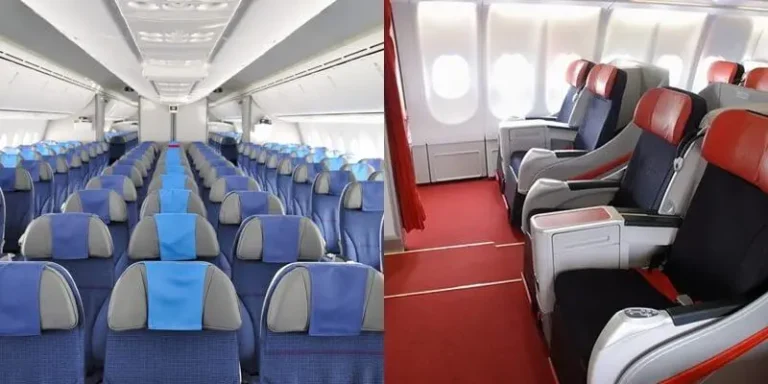
The Economy Plus subscription starts at approximately $599 per year. This allows you to select an Economy Plus seat at booking, providing up to six inches of extra legroom. For a traveler who typically pays $60 to $150 per flight for this upgrade, the “break-even” point occurs after roughly five to ten flights.
The Mechanics of Individual Upgrades
Individual upgrades are transactional and occur on a flight-by-flight basis. These can take several forms: paid upgrades to Economy Plus, MileagePlus upgrades to First Class, or “Day of Departure” buy-ups. The primary advantage of individual upgrades is that you only pay for what you use. If you are flying a short 45-minute hop from Chicago to Indianapolis, you might not care about extra legroom. However, on a five-hour trek from Newark to Los Angeles, that $80 upgrade becomes much more attractive.
Data suggests that United often discounts these upgrades as the departure date approaches if seats remain empty. According to industry analysis, “last-minute” upgrades can sometimes be 20% to 30% cheaper than the price listed at the time of initial booking.
Cost Comparison: Subscription vs. Individual Fees
To determine which path is right for you, it is essential to look at the raw numbers. The following table compares the estimated annual costs for a solo traveler flying domestically within the United States.
| Service Type | Annual Subscription Cost | Individual Fee (Avg) | Break-Even Point |
| Economy Plus (Global) | $899 | $125 per segment | 8 Flights |
| Checked Bags (Domestic) | $349 | $35–$40 per bag | 9–10 Bags |
| United Club Membership | $650 | $59 per pass | 11 Visits |
| Wi-Fi Subscription | $539 | $8–$19 per flight | 35+ Flights |
As shown in the table, the baggage subscription requires a high volume of travel to justify the cost, especially since many United credit cards offer a free first checked bag as a standard benefit.
Who Benefits Most from Subscriptions?
The primary beneficiary of a United subscription is the “Silver-tier” aspirant or the non-status frequent flyer. If you are a small business owner who flies twice a month but often books last-minute, a subscription ensures you aren’t stuck in a cramped middle seat at the back of the plane. It provides a level of “status-lite” that can make the travel experience significantly more bearable without needing to fly 25,000 miles first.
Furthermore, subscriptions are highly beneficial for families. United allows you to add companions to your subscription for an additional fee. This means a family of four can all enjoy Economy Plus seating for a single annual price, which is often much cheaper than paying for four individual upgrades on every vacation throughout the year.
The Limitations of the Subscription Model
While subscriptions offer predictability, they come with significant “sunk cost” risks. If your travel patterns change perhaps you switch jobs or a family event is canceled you cannot get a refund on the remaining months of your subscription. Additionally, subscriptions do not grant you any priority in the upgrade standby list for First Class. They are strictly limited to the service purchased.
Another factor to consider is the “Status Overlap.” If you are already a United Premier Gold member or higher, a subscription is essentially worthless. Gold members receive complimentary Economy Plus at the time of booking and free checked bags.
Strategic Use of Individual Upgrades
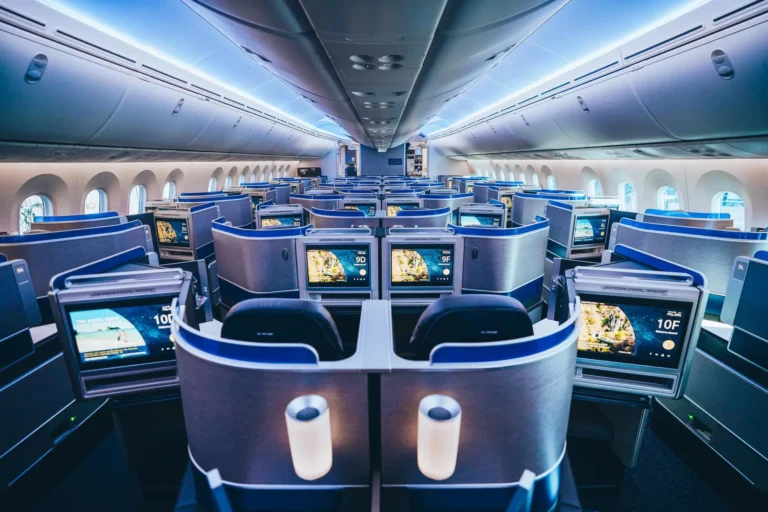
Individual upgrades offer a level of strategic depth that subscriptions lack. For example, using “PlusPoints” (for Premier Platinum and 1K members) or Miles + Copay allows you to jump from Economy all the way to United Polaris business class. A subscription will never put you in a lie-flat bed. For travelers who save their money for one or two “big” international trips a year, paying for individual upgrades is the only logical choice.
Furthermore, individual upgrades can be tax-deductible for business travelers on a per-trip basis, whereas a year-long personal subscription might be harder to justify as a single business expense depending on your accounting practices.
FAQ: Common Questions About United Travel Options
Q: Can I use my United subscription on codeshare flights with Lufthansa or Air Canada?
A: No. United subscriptions are only valid on flights operated by United Airlines and United Express. They do not extend to Star Alliance partners.
Q: Does a subscription count toward Premier Qualifying Points (PQP)?
A: Yes, the purchase price of a United subscription (excluding taxes) generally counts as PQP, helping you reach higher status levels faster.
Q: Can I upgrade a subscription mid-year?
A: Yes, United allows you to upgrade your subscription (e.g., from Domestic to Global) by paying the pro-rated difference in price.
Q: Is Wi-Fi included in any of the seat subscriptions?
A: No, Wi-Fi is a separate subscription entirely and is not bundled with Economy Plus or Baggage packages.
Q: What happens if Economy Plus is full and I have a subscription?
A: A subscription does not guarantee a seat; it only grants you the right to select one if available. If no Economy Plus seats are open, you will have to sit in standard Economy without a refund for that segment.
About the Author
This guide was written by a travel rewards specialist with over 10 years of experience analyzing loyalty programs, credit card points strategies, and airline award booking techniques. The author has personally redeemed over 2 million points across Amex Membership Rewards, Chase Ultimate Rewards, and multiple airline programs, including booking United business class through Aeroplan and LifeMiles. Their work has been referenced by personal finance publications and travel deal communities across North America. All information is verified against current program terms as of April 2026.
Final Verdict: Which Should You Choose?
The choice between a United subscription and individual upgrades comes down to a simple calculation of volume versus value. If you fly more than eight times a year and do not have Premier status, buy the subscription. The peace of mind and the PQP boost make it a sound investment. However, if you fly less frequently, or if your goal is to sit in the First Class cabin, stick to individual upgrades. The flexibility to spend your money only when it truly matters like on a long-haul flight outweighs the convenience of a prepaid plan for the casual traveler.